
Are All Gateways for IoT Device Applications the Same?

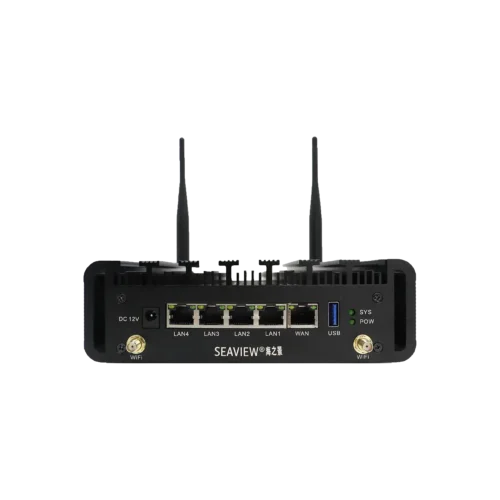
Many new developers and project managers ask a fundamental question: are all gateways for iot device networks essentially identical? The short answer is a definitive no. While every gateway serves as a bridge between local devices and the cloud, their internal architectures vary significantly. A residential router designed for streaming media lacks the specialized protocols required for a smart factory. Using the wrong hardware leads to data loss, security breaches, and frequent system downtime. Understanding the specific technical requirements of your environment is the first step toward building a resilient infrastructure. This guide will clarify why hardware differentiation is critical for your operational success.
Why Consumer and Industrial Gateways Are Not Interchangable
It is a common misconception that any internet-connected router can handle a large-scale sensor network. However, when examining whether are all gateways for iot device deployments, we must look at the physical and logical layers. Consumer gateways focus on high-speed data throughput for a few devices. In contrast, an iot industrial gateway must manage hundreds of small data packets from diverse sensors.
Divergent Hardware Standards
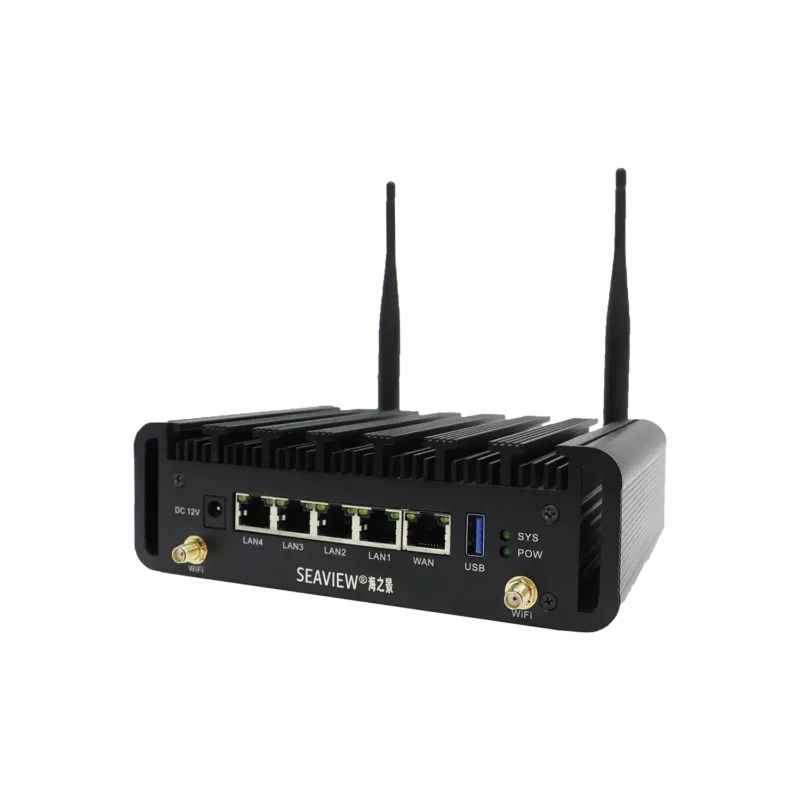
Industrial environments subject electronics to extreme temperatures, electromagnetic interference, and physical vibration. Most consumer-grade gateways are housed in plastic and fail quickly in a manufacturing plant. A professional industrial gateway iot solution is built with ruggedized metal enclosures and fanless cooling to ensure 24/7 reliability. These devices are often rated for temperatures ranging from -40°C to +85°C.
Management of Simultaneous Connections
A standard home gateway may struggle when more than 30 devices connect simultaneously. An industrial gateway iot hub uses specialized chipsets to maintain stable connections for hundreds of nodes. This capacity is essential for large-scale deployments like smart cities or automated logistics centers. Choosing the correct hardware prevents network congestion and ensures that critical sensor data reaches the management platform without latency.
The Role of Protocol Translation in IoT Ecosystems
One of the primary reasons the answer to “are all gateways for iot device” is no is the complexity of industrial communication. Most sensors do not speak the standard language of the internet, such as HTTP or MQTT. They use legacy protocols that require active translation at the edge of the network.
Bridging Legacy and Modern Networks
A gateway iot industrial unit acts as a translator between old and new technologies. It can interpret signals from Modbus, Profibus, or CAN bus and convert them into cloud-compatible formats. Without the ability to perform real-time protocol translation, a gateway cannot integrate traditional machinery into a modern digital workflow.
Enhancing Interoperability
According to the ISO/IEC 30141 standard for IoT Reference Architecture, interoperability is a core requirement for any scalable system. A specialized gateway ensures that devices from different manufacturers can work together in a single ecosystem. This level of integration is rarely found in generic networking hardware.
Edge Computing and Data Security Requirements
Modern IoT architectures no longer send every raw data point directly to the cloud. This practice is expensive and creates unnecessary security risks. This is why the selection of a gateway iot industrial must involve an assessment of its processing power.
Processing Intelligence at the Edge
An iot industrial gateway equipped with edge computing capabilities can filter and analyze data locally. For example, it can trigger an emergency shutdown if a sensor detects abnormal vibration. Edge intelligence reduces the load on your cloud servers and allows for immediate local responses to critical events.
Robust Cybersecurity Protocols
Security for industrial assets is a major concern for regulatory bodies like NIST. Standard gateways often have hardcoded passwords and lack advanced encryption features. Industrial-grade gateways feature secure boot processes, hardware encryption chips, and advanced firewalls to protect sensitive operational data. These features are essential for complying with international cybersecurity standards for critical infrastructure.
Selecting the Right Gateway for Your Infrastructure
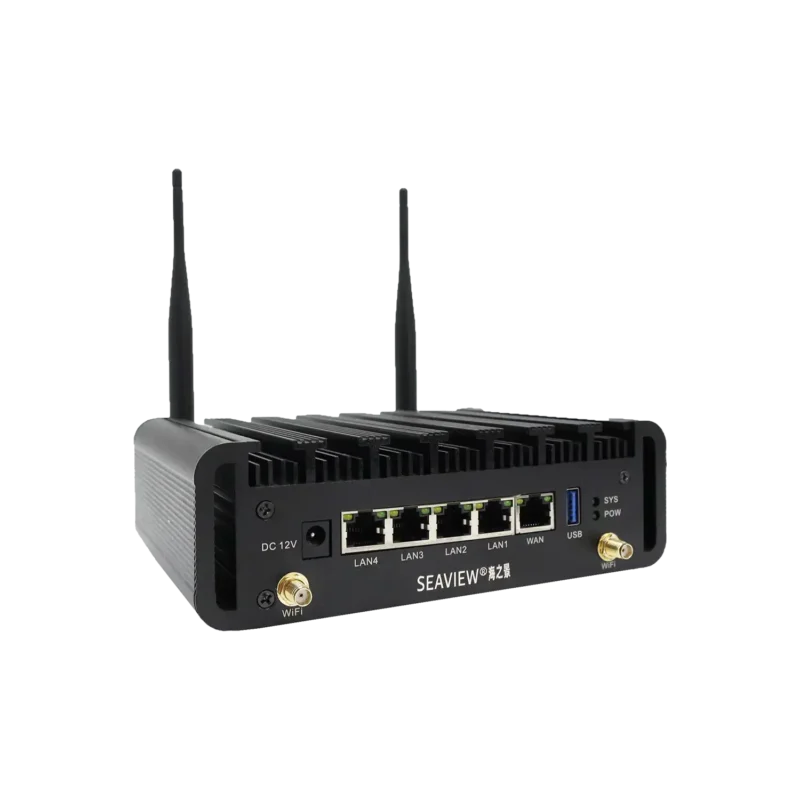
Determining the ideal hardware for your project requires a balance between performance, durability, and cost. You must judge whether your application involves high-risk environments or requires integration with complex legacy systems. Not every project needs the most expensive controller, but every industrial project needs a specialized one.
If you are looking for systems that combine modern software flexibility with rugged hardware, I suggest exploringHarmonyOS smart gateways.These devices offer an integrated operating system designed specifically for low-latency communication and secure device management. Selecting a gateway with a modern OS simplifies the development process and ensures long-term software compatibility.
For high-demand applications, particularly those requiring remote connectivity in isolated areas, theHarmonyOS 5G Industrial Router Model SIE2000HL5is a specialized solution. It provides the high-speed backhaul needed for real-time video monitoring and high-density sensor networks. The right gateway choice acts as a long-term investment that scales with your organizational needs.
Conclusion
The question of whether are all gateways for iot device applications is answered by the specific needs of your environment. The conclusion is that industrial applications require a specialized industrial gateway iot solution to provide protocol translation, edge computing, and environmental protection. Choosing the wrong hardware results in system failure, while the correct gateway ensures a secure, scalable, and efficient IoT network.
FAQ
1. Can I use a regular Wi-Fi router for my IoT project?
For small home experiments, a regular router is sufficient. However, for any commercial or industrial application, it is not recommended. Regular routers lack the protocol support and durability required to handle high-density industrial sensor networks.
2. What is the most important feature of an industrial gateway?
While many features are important, protocol support is often the most critical. An industrial gateway iot device must be able to communicate with diverse sensors using protocols like Modbus or LoRaWAN to ensure data flow.
3. How does edge computing save money in IoT?
Edge computing filters out irrelevant data before it is sent to the cloud. This significantly reduces data transmission costs and cloud storage fees. By processing data locally on an iot industrial gateway, you only pay for the storage of meaningful insights.
4. Is HarmonyOS suitable for industrial gateways?
Yes, HarmonyOS is designed for distributed architectures and low-latency performance. Using HarmonyOS in a gateway iot industrial environment allows for better device synchronization and easier cross-platform development.
5. What are the security risks of using the wrong gateway?
Using a non-industrial gateway can expose your internal network to cyberattacks. These devices often lack the frequent security updates and hardware-level encryption found in professional units. A specialized industrial gateway iot solution is necessary to protect against unauthorized access and data tampering.
Reference Sources
IEEE – IEEE 2413-2019 Standard for an Architectural Framework for the Internet of Things