
How to Choose a Gateway Device for Farm IoT Networks?

Deploying technology in a rural environment presents unique challenges. You often deal with vast distances and lack of traditional power sources. In my years of designing agricultural tech solutions, I have seen many projects fail due to poor hardware selection. The gateway serves as the brain of your digital infrastructure. It bridges the gap between field sensors and your management software. If you are wondering how to choose a gateway device for farm iot networks, you must prioritize reliability and long-range connectivity. This guide will help you identify the technical specifications that actually matter in the field.
Understanding Connectivity Range and Protocol Support
The first step in selecting hardware is evaluating the communication protocols. Most farms require long-range coverage that standard Wi-Fi cannot provide. I recommend looking for devices that support Low Power Wide Area Networks (LPWAN). These technologies allow sensors to communicate over several kilometers.
Prioritizing LoRaWAN for Large Scale Operations
LoRaWAN is the industry standard for precision agriculture. It offers deep penetration through foliage and long-distance transmission. When you decide how to choose a gateway device for farm iot networks, ensure it supports multiple channels. This allows the gateway to handle hundreds of sensors simultaneously without data collisions.
Evaluating Cellular Backhaul Reliability
A gateway is useless if it cannot send data to the cloud. Most farm locations do not have Ethernet cables running to the fields. You should look for gateways with integrated 4G or 5G LTE modules. This ensures your data reaches the dashboard even in remote areas. Reliable backhaul connectivity is the backbone of any successful IoT deployment.
Assessing Durability and Environmental Protection
Farms are harsh environments for electronics. Your gateway will face extreme heat, dust, and moisture. I have found that standard indoor routers fail within weeks when placed in a barn or on a pole. You must verify the Ingress Protection (IP) rating of the device before purchasing.
IP67 Ratings for Outdoor Deployment
An IP67 rating ensures the device is dust-tight and can withstand immersion in water. This is a non-negotiable feature for outdoor farm gateways. Choosing a ruggedized enclosure prevents hardware failure and reduces long-term maintenance costs.
Operating Temperature Ranges
Summer heat in a field can exceed 40°C, while winter temperatures may drop below freezing. Check the manufacturer’s data sheet for the operating temperature range. I suggest choosing devices rated for -40°C to +70°C. This range handles the thermal stress of direct sunlight and freezing nights.
Power Management and Energy Efficiency
Power is often scarce in the middle of a crop field. Many farmers rely on solar panels and batteries to keep their networks running. Therefore, the power consumption of your gateway is a critical metric. High-power devices will drain your batteries too quickly during cloudy periods.
Low Power Consumption Modes
Look for gateways that offer “sleep” or “low-power” modes. These features help conserve energy when data transmission is not frequent. Lower power requirements allow for smaller, more cost-effective solar installations.
Support for Power over Ethernet (PoE)
If the gateway is mounted on a tall silo, running multiple cables is difficult. PoE allows you to provide both power and data through a single cable. This simplifies the installation process significantly. It also reduces the number of potential failure points in your wiring.
Data Processing and Edge Computing Capabilities
Modern farming generates a massive amount of raw data. Sending every single data point to the cloud is expensive and slow. This is where edge computing becomes essential. It allows the gateway to process information locally before uploading.
Local Decision Making
A smart gateway can trigger an irrigation valve if soil moisture drops. It does this without waiting for a command from a remote server. This local autonomy is vital if your internet connection is intermittent. Edge computing ensures your farm remains functional even during network outages.
Security and Data Encryption
Cybersecurity is often overlooked in agriculture. However, your farm data is valuable. Ensure the gateway supports end-to-end encryption (AES-128). This protects your operational data from unauthorized access.
Selecting the Right Solution for Your Infrastructure
Knowing how to choose a gateway device for farm iot networks depends on your specific application. If you are managing a large-scale industrial operation, you need high-performance controllers. These devices should integrate AI capabilities to optimize resource usage.
For those looking for advanced integration, I recommend exploring AI Artificial Intelligence Gateways. These systems provide the processing power needed for predictive analytics. They allow you to move beyond simple monitoring into proactive farm management.
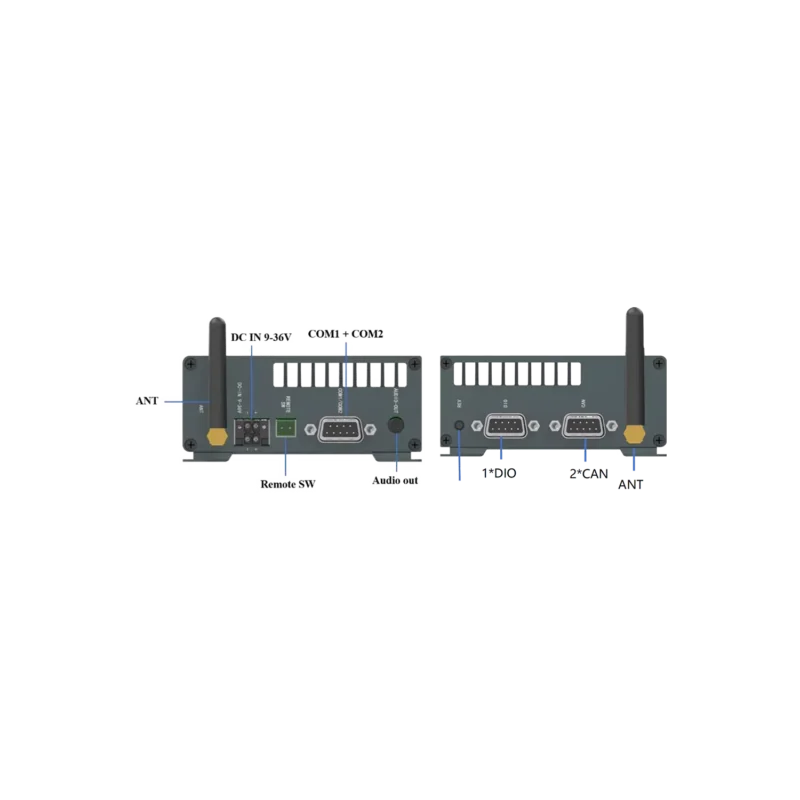
If your environment requires high reliability, theIndustrial Intelligent Controller Model SIE2000K4is an excellent example of a robust solution. It combines processing power with the durability needed for agricultural settings. The right gateway should act as a long-term investment that scales with your farm’s needs.
Conclusion
To successfully determine how to choose a gateway device for farm iot networks, you must balance range, durability, and power efficiency. A high-quality gateway must feature an IP67 rating, support LPWAN protocols, and offer edge computing capabilities to ensure continuous operation. By focusing on these technical pillars, you build a resilient foundation for your smart farm.
FAQ
1. What is the best wireless protocol for farm IoT?
LoRaWAN is generally the best choice for large farms. It provides the longest range with the lowest power consumption. This makes it ideal for sensors that only need to send small amounts of data.
2. Can I use a standard home router as a farm gateway?
I do not recommend this for professional use. Home routers lack the environmental protection needed for farm life. They also do not support the long-range protocols required to cover multiple acres.
3. How many sensors can one farm gateway handle?
A professional-grade gateway can often handle between 100 and 500 sensors. This depends on how frequently the sensors send data. Choosing a multi-channel gateway is key to supporting a high density of devices.
4. Is solar power enough for an IoT gateway?
Yes, many gateways are designed for solar power. You must calculate the total power draw to size your battery correctly. Most industrial gateways are efficient enough to run on a standard 50W solar setup.