
Does an IoT Gateway Provide Security for the Network?


In my years managing industrial digital transitions, I have seen many organizations treat security as an afterthought. This mistake often results in compromised data or unauthorized access to sensitive machinery. Most IoT sensors are simple devices with limited processing power. Consequently, they cannot run complex antivirus software or heavy encryption. This vulnerability leads many engineers to ask: does iot gateway provide security for the network? Based on my field experience and established architectural standards, the answer is a resounding yes. A gateway acts as a protective shield between the vulnerable local device and the wide, often hostile, internet. This article explores how this hardware functions as a critical security node for your modern infrastructure.
The Functional Security Layers of an IoT Gateway
A professional gateway is more than a simple router. It serves as a specialized traffic controller that inspects every data packet. A properly configured gateway acts as a security barrier between vulnerable endpoints and the public internet. By centralizing management, you can enforce uniform security policies across hundreds of different sensors.
Implementation of End-to-End Encryption
One of the primary ways a gateway protects a network is through robust encryption. Sensors often send raw, unencrypted data over short-range radio frequencies. The gateway captures this data and wraps it in secure protocols like TLS or SSL before transmission. Utilizing an IoT gateway for centralized encryption prevents “man-in-the-middle” attacks on your primary data pipeline. This aligns with the data protection principles outlined in ISO/IEC 27001.
Protocol Translation as a Security Proxy
Many industrial machines use legacy protocols that were never designed for the internet age. These protocols are inherently insecure. The gateway acts as a secure proxy, translating these legacy signals into modern, authenticated cloud protocols. Protocol translation through a gateway isolates old hardware from direct internet exposure, effectively neutralizing many remote exploits. This “air-gap” logic is essential for protecting critical infrastructure.
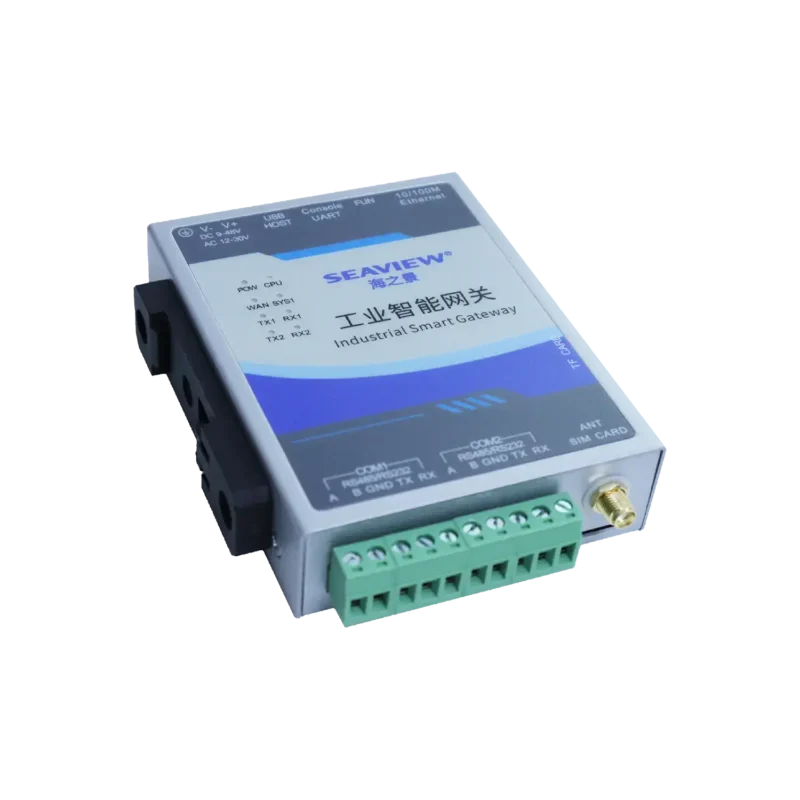
Why Network Segmentation is Critical for Industrial Environments
Standard networks allow any device to talk to any other device. In an industrial setting, this is a major risk. If one sensor is hacked, an attacker can move laterally to take over the entire plant. Implementing network segmentation at the gateway level ensures that a breach in one zone does not compromise the entire facility.
Edge Firewalling and Traffic Filtering
An industrial gateway includes built-in firewall capabilities. You can set rules to allow only specific traffic from authorized devices. This limits the “attack surface” of your network significantly. Filtering traffic at the edge reduces the risk of Distributed Denial of Service (DDoS) attacks reaching your internal controllers.
Device Authentication and Identity Management
Identity is the cornerstone of modern cybersecurity. The gateway verifies the identity of every sensor trying to connect. If a device has been tampered with or replaced by a malicious unit, the gateway denies it access. Enforcing strict device authentication ensures that only verified, healthy hardware can contribute data to your management system.
Managing the Human and Hardware Risks at the Edge
Security is not just about software; it is about physical and operational integrity. High-end gateways are designed to resist physical tampering. They often feature secure boot processes that prevent unauthorized firmware from loading. The hardware design of a gateway provides a root of trust for the entire digital ecosystem.
Automated Security Patches and Updates
Individual sensors are rarely updated by staff. However, a gateway can be managed centrally to receive frequent security patches. This ensures that your first line of defense is always prepared for the latest threats. Centralized update management through a gateway is the most efficient way to maintain a high security posture at scale.
Anomaly Detection and Behavioral Monitoring
Advanced gateways utilize edge computing to monitor for “strange” behavior. If a sensor suddenly starts sending five times the usual amount of data, the gateway can flag this as a potential breach. Real-time behavioral monitoring allows for immediate isolation of compromised devices before they can leak sensitive operational data. This proactive approach is a requirement for complying with NIST cybersecurity frameworks.
Choosing the Right Hardware for Secure Connectivity
Determining whether a specific device fits your project depends on its integrated security features. You must judge the “judgment standard” of your environment. If you are operating in a remote area or a high-risk zone, standard consumer gear will not suffice. You need hardware built with industrial-grade resilience.
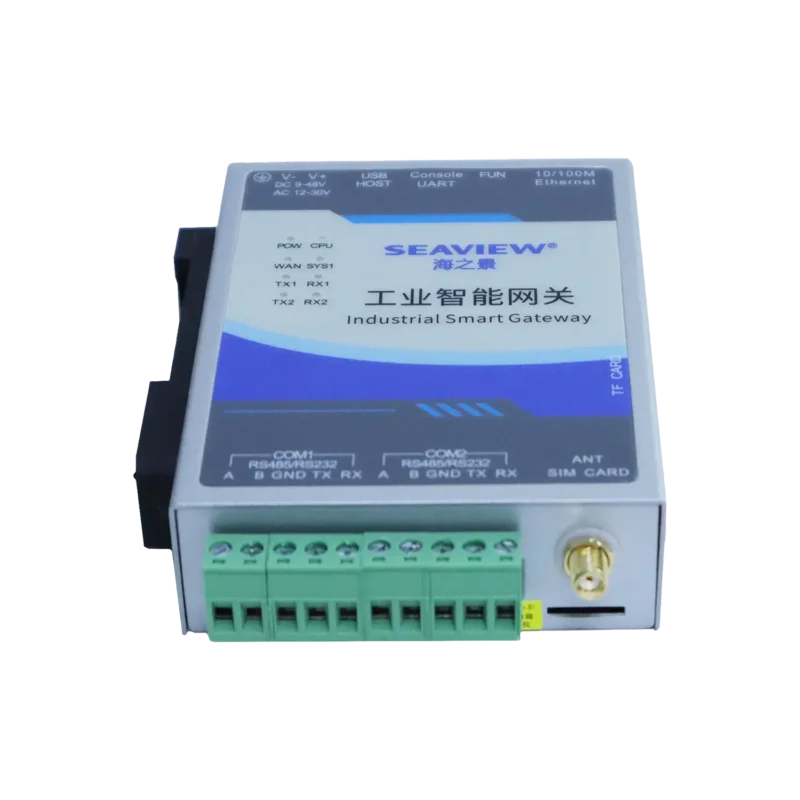
When evaluating your infrastructure needs, looking for specialized data handlers is a wise step. For many industrial applications, exploring the range ofindustrial wireless data terminals (DTU)is essential. These devices are engineered to handle secure data transmission over long distances. Selecting a terminal with dedicated security protocols ensures that your edge-to-cloud path remains impenetrable.
For projects requiring high-speed cellular backhaul with built-in encryption, the4G industrial wireless data terminal DTUis an excellent example of functional security hardware. It provides the VPN support and firewalling necessary for secure remote monitoring. The right DTU acts as a secure anchor for your network, protecting your data integrity across every step of the journey.
Conclusion
The question of “does iot gateway provide security for the network” is fundamental to modern system design. The core conclusion is that an IoT gateway provides essential security by acting as a firewall, encryption hub, and authentication manager for vulnerable edge devices. By prioritizing hardware that supports robust security standards, you build a resilient foundation for your digital operations. Do not leave your network exposed; utilize a professional gateway to secure your future.
FAQ
1. Is a gateway enough to protect my entire IoT network?
While a gateway is a critical component, it is part of a “Defense in Depth” strategy. You should also secure your cloud storage and local device hardware. A gateway provides strong edge protection, but a multi-layered security approach is always the most effective path.
2. How does an IoT gateway prevent DDoS attacks?
The gateway can limit the rate of incoming connections from sensors. It also blocks traffic from suspicious or unknown IP addresses. Edge-level traffic filtering prevents a flood of malicious data from overwhelming your internal network or cloud servers.
3. Can a gateway protect legacy machines that have no security features?
Yes, this is one of its primary functions. The gateway wraps the insecure legacy data in an encrypted “tunnel” for safe transport. Using a gateway to bridge legacy equipment allows you to modernize your operations without exposing old hardware to new threats.
4. What happens if the gateway itself is hacked?
Professional industrial gateways feature “Secure Boot” and hardware-based encryption keys (TPM). These features make the gateway extremely difficult to compromise. Choosing a gateway with a hardware-based root of trust ensures that the core of your network remains secure even under physical attack.
5. Why is a DTU sometimes better than a standard router for security?
A DTU is a dedicated data transmission unit often stripped of unnecessary features that could create vulnerabilities. It focuses on stable, encrypted point-to-point communication. A specialized industrial DTU offers a smaller attack surface compared to a feature-heavy general-purpose router.
Reference Sources
Cloud Security Alliance (CSA) – IoT Security Controls Framework
NIST – NIST SP 800-213: IoT Device Cybersecurity Guidance
IEEE – IEEE 2413: Standard for an Architectural Framework for the Internet of Things