
what hardware is used in a http iot sensor gateway ?

In my fifteen years architecting digital ecosystems, I have seen many developers struggle to bridge the gap between simple field sensors and complex web applications. The gateway is the most critical physical link in this chain. It must translate raw electrical signals into structured web packets. When clients ask me “what hardware is used in a http iot sensor gateway ?“, they are usually looking for a solution that balances cost, power consumption, and reliability. Standard networking gear often fails in these specialized roles. This guide will provide a technical breakdown of the essential hardware required to maintain a stable HTTP-based sensor network.
The Processing Core: High-Performance CPUs and Microcontrollers
The processing unit is the brain of your device. In an HTTP-enabled system, the processor must handle the overhead of the TCP/IP stack and potentially TLS encryption. Unlike simpler protocols like MQTT, HTTP requests are text-heavy and require significant local resources.
Choosing ARM-Based Processors for Scalability
Most professional gateways utilize ARM Cortex-A series processors. These chips provide the necessary clock speeds to manage multiple concurrent HTTP connections. Utilizing ARM architecture ensures that the gateway can handle local data buffering without thermal throttling. This is vital when your sensors report data at high frequencies.
The Role of Real-Time Microcontrollers
Some hybrid gateways include a low-power microcontroller alongside the main CPU. This co-processor handles the direct interface with analog or digital sensors. It ensures precise timing for data acquisition before passing it to the high-level CPU. A dual-core hardware design prevents sensor data loss during periods of high network congestion.
Connectivity Modules for Reliable HTTP Transmission
A gateway is useless if it cannot “talk” to both the sensors and the cloud. The connectivity hardware defines the physical range and the bandwidth available for your data. You must select modules based on the environmental constraints of your deployment site.
Industrial Ethernet and Wireless Backhaul
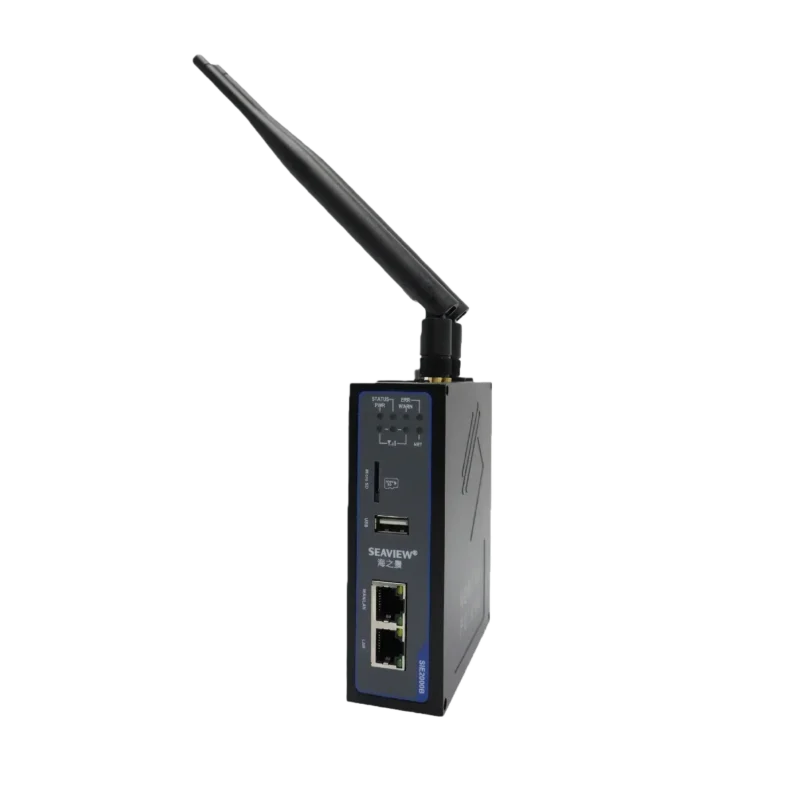
Every HTTP gateway requires a stable backhaul connection to reach the internet. This typically involves a combination of RJ45 Ethernet ports and Wi-Fi modules. For remote locations, integrated cellular modules (4G/5G) are the industry standard. Selecting a gateway with high-speed 5G connectivity allows for the transmission of large HTTP payloads without latency issues.
Peripheral Interfaces for Diverse Sensors
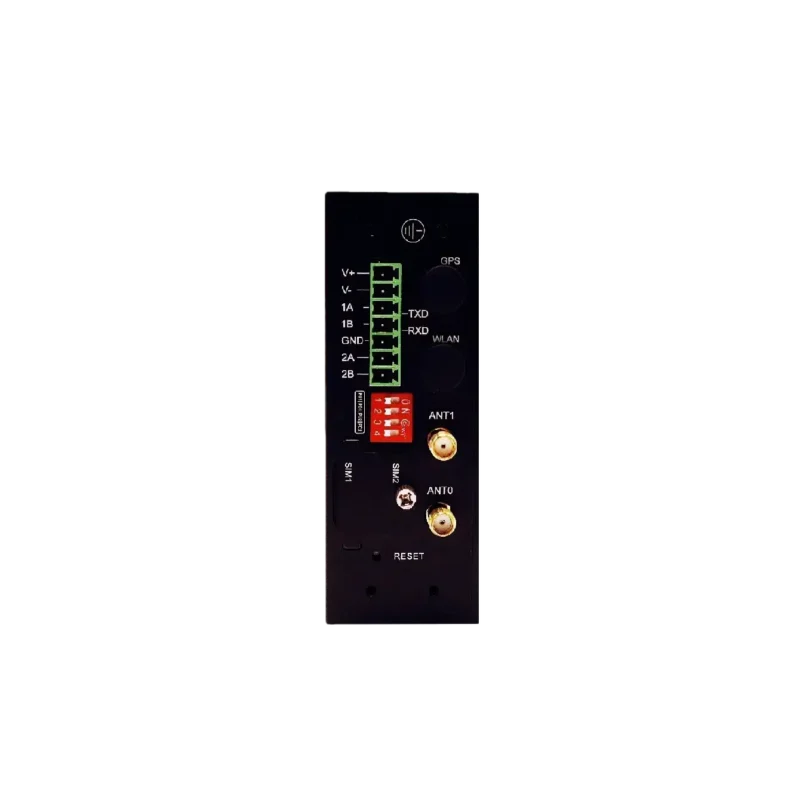
To collect data, the hardware must support various industrial interfaces. Common ports include RS485, RS232, and GPIO pins. These ports allow the gateway to communicate with Modbus devices or simple temperature probes. Hardware-isolated ports protect the internal circuitry from high-voltage surges in industrial environments.
Industrial-Grade Memory and Storage Solutions
Data persistence is a non-negotiable requirement for professional IoT deployments. If the internet connection fails, the gateway must store data locally until service is restored. This requires a specific type of storage hardware that can withstand frequent read/write cycles.
RAM and Flash Storage Requirements
HTTP requests and edge processing consume a significant amount of Random Access Memory (RAM). I recommend at least 512MB to 1GB of RAM for standard deployments. For storage, industrial-grade eMMC or high-end SD cards are preferred over consumer-grade flash memory. Reliable flash storage prevents data corruption during unexpected power losses or system reboots.
Local Edge Databases
Hardware with sufficient storage capacity allows you to run local databases like SQLite or InfluxDB. This enables the gateway to perform edge analytics before sending summarized reports to the cloud. Local data processing reduces the total volume of HTTP traffic, significantly lowering your cloud storage costs.
Security Hardware for Encrypted HTTP Communication
Security is the primary concern for any digital infrastructure. Because HTTP is inherently less secure than HTTPS, the hardware must provide a “root of trust.” This is achieved through specialized security chips that manage cryptographic keys.
Trusted Platform Modules (TPM)
A TPM chip is a dedicated microcontroller designed to secure hardware through integrated cryptographic keys. It ensures that only authorized firmware can run on the gateway. Incorporating a TPM chip into your gateway hardware is the most effective way to comply with NIST security standards. This protects your network from “man-in-the-middle” attacks during data transmission.
Hardware Acceleration for Encryption
Handling SSL/TLS encryption for HTTPS can tax a standard CPU. Specialized hardware accelerators offload this task, allowing for faster secure connections. Dedicated encryption hardware ensures that your sensor data remains private without slowing down the overall system performance.
Selecting the Right Solution for Your Infrastructure
Knowing “what hardware is used in a http iot sensor gateway ?” is only the first step. You must judge the suitability of a device based on its environmental rating and modularity. An indoor-rated gateway will fail quickly in a dusty factory or an outdoor agricultural site.
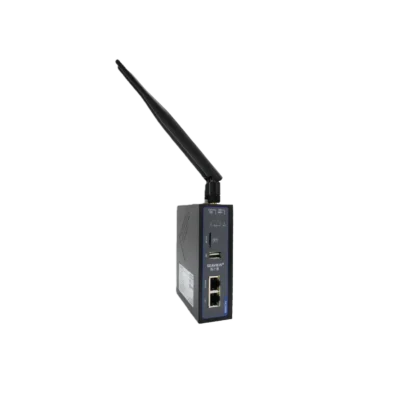
For high-demand environments, you should prioritize devices that offer both massive connectivity and local intelligence. If you require a system that handles high-bandwidth data while managing complex encryption, the 5G Edge Computing Gateway SIE2000B5 is a premier example of professional-grade hardware. It provides the high-speed backhaul and the processing power needed for modern HTTP workflows. Investing in specialized edge computing hardware ensures your IoT network is resilient enough to handle future technological shifts.
When evaluating your next purchase, look for certifications such as CE, FCC, and RoHS. These verify that the hardware meets international safety and environmental standards. The right hardware choice acts as a long-term anchor for your digital transformation strategy.
Conclusion
The hardware used in a http iot sensor gateway must include a high-speed ARM processor, robust RAM for buffering, and diverse communication modules like 5G or Ethernet. To ensure long-term data integrity, you must prioritize industrial-grade storage and integrated security chips like TPM for hardware-level encryption. By focusing on these core physical components, you build a resilient bridge between your field sensors and the web services they power.
FAQ
1. Can I use a Raspberry Pi as an HTTP IoT gateway?
While a Raspberry Pi is excellent for prototyping, it lacks industrial protection. It does not have isolated ports or wide-voltage input protection required for factory use. For professional deployments, always choose hardware specifically rated for industrial temperatures and electromagnetic interference.
2. Why is HTTP used in IoT if MQTT is more efficient?
HTTP is often used because it is compatible with existing IT firewalls and web-based API architectures. It allows for easier integration with enterprise software that already uses web standards. The hardware requirements are higher for HTTP, but the ease of integration often justifies the extra cost.
3. Does an IoT gateway need a cooling fan?
In industrial settings, fanless cooling is preferred. Fans are a common point of mechanical failure and can pull in dust or moisture. High-quality industrial gateways use aluminum enclosures as heat sinks to maintain a safe operating temperature without fans.
4. How many sensors can one gateway hardware handle?
This depends on the CPU power and the frequency of data reporting. A professional gateway can typically handle between 50 and 500 sensors simultaneously. Choosing a gateway with a multi-core processor is essential if you plan to scale your sensor density.
5. What is the typical lifespan of industrial gateway hardware?
Well-designed industrial gateways are expected to last 7 to 10 years. This longevity is achieved through the use of high-grade capacitors and ruggedized circuit designs. Consistent hardware monitoring and regular firmware updates are key to maximizing the service life of your gateway.
Reference Sources
NIST SP 800-213 – IoT Device Cybersecurity Guidance
IEEE 2413-2019 – Standard for an Architectural Framework for the Internet of Things
IETF RFC 7252 – Constrained Application Protocol and HTTP Mapping