
Does an unmanaged switch need configuration?

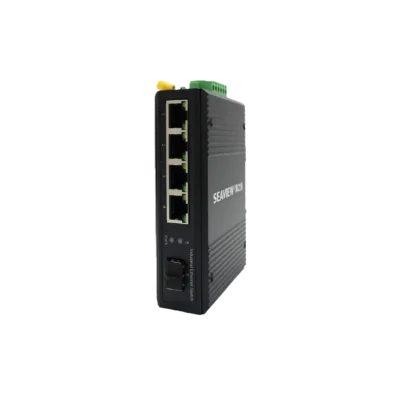
When building a network for a warehouse or factory, the complexity of hardware can be daunting. I often receive inquiries from technicians asking, “Does an unmanaged switch need configuration?” The short answer is no. These devices are designed to be entirely “plug-and-play.” They lack a management interface, meaning you cannot log in to change settings. An unmanaged switch is a fixed-configuration device that automatically handles data traffic without any manual setup required from the user. This simplicity makes them a favorite for rapid deployments where advanced traffic control is unnecessary.
Why an Industrial Fiber Switch for Factory Automation is Plug-and-Play
In modern manufacturing, an industrial fiber switch for factory automation provides the backbone for high-speed data. These switches are built to withstand extreme temperatures and vibration. Because they are unmanaged, they eliminate the need for specialized IT staff during installation. Using an unmanaged industrial fiber switch for factory automation reduces deployment time and prevents human configuration errors.
Auto-Negotiation Features
Unmanaged switches use a protocol called auto-negotiation. This allows the switch and the connected device to agree on the best speed and duplex mode. You do not need to manually set these parameters for each port.
Simplified Troubleshooting
Since there are no software settings to change, troubleshooting is straightforward. If a connection fails, the issue is almost always physical, such as a damaged cable or power loss. Zero-configuration hardware allows floor technicians to replace units quickly without needing access to a console or IP address.
Understanding Single Mode Dual Fiber Media Converter Gigabit Technology
Sometimes, your network needs to span distances that copper cables cannot reach. A single mode dual fiber media converter gigabit unit is often used to bridge these gaps. Like unmanaged switches, these converters typically function as transparent bridges. They convert electrical signals to light signals without altering the data packet. A single mode dual fiber media converter gigabit provides a seamless extension of your network with no software adjustments needed.
Long-Distance Reliability
Single mode fiber can transmit data over many kilometers. Dual fiber configurations use separate strands for transmitting and receiving data. This ensures high throughput for bandwidth-heavy applications like high-definition surveillance.
Transparent Integration
The converter acts as a “dumb” pipe between two network points. It does not require an IP address or a management VLAN. Most single mode dual fiber media converter gigabit devices feature “Link Fault Pass Through” to simplify remote diagnostics.

Sourcing from a Wholesale Industrial Media Converter China Factory
For large projects, sourcing directly from a wholesale industrial media converter China factory is a common strategy. This allows for significant cost savings compared to buying individual units from local retailers. However, you must ensure the factory follows strict international quality standards. Buying from a reputable wholesale industrial media converter China factory ensures you get consistent hardware without middleman markups.
Quality Control and Certifications
Always verify that the factory holds ISO 9001 certification. This guarantees that their manufacturing processes are standardized and audited. You should also check for CE and FCC compliance for electronic safety.
Bulk Customization Options
Even though the devices are unmanaged, factories can often customize physical features. You might request specific DIN-rail mounts or specialized power input terminals. Wholesale partnerships allow you to tailor the hardware’s physical ruggedness to your specific industrial environment.
How to Choose the Right Unmanaged Hardware for Your Site
Selecting the correct networking gear depends on your environment and distance requirements. You must decide if you need standard RJ45 ports or integrated fiber optics. For factory settings, look for wide operating temperature ranges and robust surge protection. The best unmanaged hardware should provide 24/7 reliability in the harshest conditions without any software maintenance.
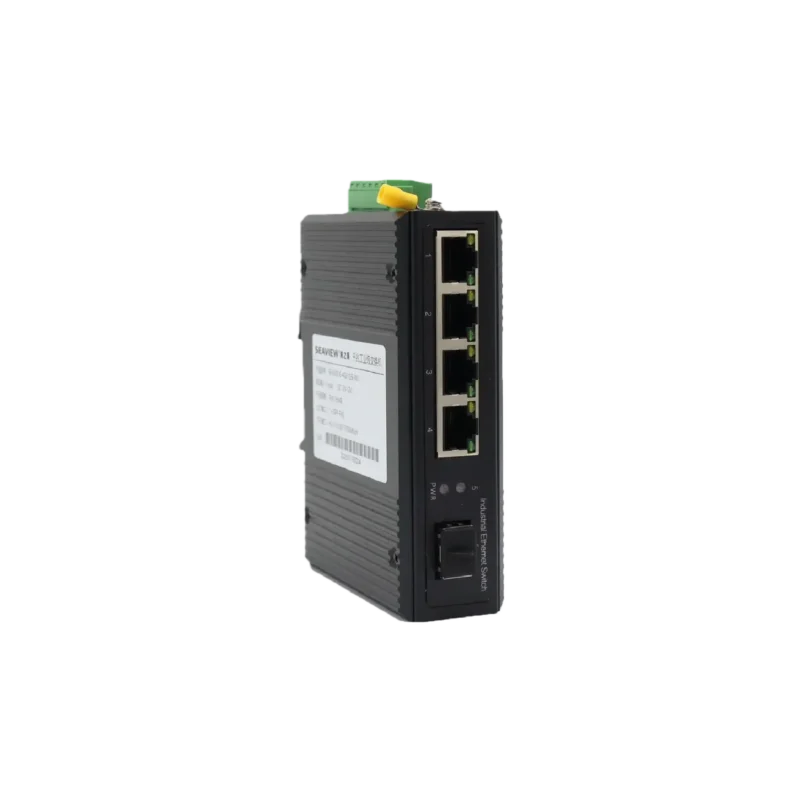
If you are looking for a versatile solution for your automation project, consider a multi-port media converter. You can find technical specifications for a gigabit industrial 1 fiber 4 copper media converter on our platform. This device combines the benefits of a fiber switch and a media converter in one rugged package. Integrated fiber-to-copper solutions reduce the number of failure points in your industrial network layout.
Conclusion
To summarize, the answer to “Does an unmanaged switch need configuration?” is a definitive no. These devices are designed for maximum simplicity and reliability in the field. By using an industrial fiber switch for factory automation, you can build a robust network with minimal effort. Whether you use a single mode dual fiber media converter gigabit or a wholesale industrial media converter China factory source, unmanaged tech remains the most user-friendly networking choice.
FAQ
1. Does an unmanaged switch need configuration for VLANs?
No, unmanaged switches do not support VLAN tagging or configuration. They treat all connected devices as part of the same broadcast domain. If your network requires traffic isolation through VLANs, you must upgrade to a managed or “smart” switch.
2. Can I use an industrial fiber switch for factory automation in extreme heat?
Yes, industrial-grade switches are designed for harsh environments. They often support operating temperatures from -40°C up to +75°C. Standard commercial switches will often fail in factory settings due to lack of proper thermal management.
3. Is a single mode dual fiber media converter gigabit compatible with multi-mode fiber?
No, single mode converters require single mode fiber optic cables. The light source in a single mode device is a laser designed for a much thinner glass core. Mixing different fiber types will result in zero signal transmission or extremely high data loss.
4. Why should I buy from a wholesale industrial media converter China factory?
Purchasing directly from the source reduces costs and provides access to the latest hardware revisions. It also allows for direct technical support from the engineering team that designed the device. Wholesale sourcing is the most efficient way to manage budget constraints for large infrastructure projects.
5. What happens if I plug two unmanaged switches into each other?
The switches will automatically detect the connection and begin passing traffic. Most modern unmanaged switches support Auto-MDI/MDIX, so you do not even need a crossover cable. Unmanaged switches are designed to expand your network footprint with zero manual intervention.
Reference Sources
IEEE Standards Association – IEEE 802.3 Ethernet Standards and Auto-Negotiation.
International Electrotechnical Commission (IEC) – IEC 61158: Industrial communication networks.
International Organization for Standardization (ISO) – ISO 9001: Quality management systems.